Publishing a paper doesn't fit a calendar.
You know it needs to happen. You may even have a deadline — real or self-imposed. But writing doesn't move in straight lines. Some sections take three times longer than you expected. Others you write in a day and still aren't sure they're done. Academic publishing has no clean finish line, no predictable timeline, and no one guiding you through it. Most researchers learn that the hard way.
And then there's everything outside your control: waiting weeks for an editor to make a decision, opening reviewer comments that send you back to the beginning, not knowing whether to revise and resubmit or cut your losses and try somewhere else.
Publish It! is a 10-week course that works with that reality, not against it. Whether you're starting from scratch or sitting on a manuscript that isn't finished yet — or one that came back and needs more work than you expected — this course gives you the structure, the skills, and the direct support to move your paper forward. Week by week. With someone who reads along with you.
Publish It!
From Draft to Submission
in 10 weeks
A small group intensive with direct 1:1 support
Limited to 10 participants
Starts May 17th, 2026
Enrollment closes May 17th
Prelaunch price $1500 USD
available until April 25th
Full Price: $2000 USD
or 4 payments of $500 USD
100% money back within the first two weeks, no questions asked
Not sure yet? Book a 20-minute Q&A call with Jessica
Is this you...?
You finished the research.
You have data, findings, maybe even a full draft — but the paper isn't done and you're not sure what done even looks like. The deadline is real, the pressure is building, and every time you sit down to write you're not sure where to start or whether what you're producing is actually good enough.
You submitted a paper.
And it came back. The reviewer comments are sitting in your inbox and you've opened them three times without knowing what to do next.
You're a strong researcher.
Who has never been taught how to write a journal paper. Not really. You were taught to conduct research. The writing you figured out alone — and you've always suspected there's a gap between what you know how to do and what the page actually shows.
PhD students preparing their first journal submission, mid-career practitioners, interdisciplinary scholars, community-based researchers, and academics outside the tenure track. It is especially welcoming to researchers writing in English as an additional language. The barrier is structural, not intellectual, and this course addresses it directly.
Whether the page is blank or the draft is sitting unfinished, what matters is being ready for a clear path forward.
This course is designed for researchers at any career stage.
You come in knowing your research. You leave knowing how to write it.
That distinction matters more than it sounds. Most researchers were trained to conduct research — the writing was something you figured out along the way, paper by paper, revision by revision, often without feedback until a reviewer told you something wasn't working. This course fills that gap permanently.
By the end of 10 weeks you will have a full draft of your paper, prepared for journal submission. You will also have something to takeaway: a clear understanding of how academic arguments are built, how sections connect to each other, how evidence is presented rather than just reported, and how to move through the writing process without losing months to uncertainty.
Most people come in focused on this paper. What they find is that the skills stay with them. You'll write the next one differently. The one after that, differently still — in a way that a deadline-driven sprint done alone never makes possible.
This is what 20+ hours of direct work together makes possible. Not just a finished paper. A different relationship with the writing itself.
"
Jessica's ability to guide a diverse group of researchers — three NUS graduate students and our own team — toward a single, publishable paper was remarkable. The project gave us a rare opportunity to examine Japanese disaster recovery from an international landscape and CHANS perspective, and Jessica's editorial leadership was essential to making that possible.
"
Dr. Kazuo Asahiro, Department of Environmental Design, Faculty of Design, Kyushu University
"
I really enjoyed collaborating with Jess (Dr. Diehl). She was very communicative, thoughtful, and easy to work with throughout the process. She gave me thoughtful feedback that helped to vastly improve the insights of the paper. I would happily work with her again.
"
Kate Oviatt, PhD, Project Manager, Research Associate, Fort Collins, USA
"
Your approach of guiding my thinking with questions was especially helpful—while you might provide an answer at the moment, I continued to seek new solutions in different contexts. I also appreciate our weekly meetings, which pushed me to summarize my challenges and reflect on my progress, fostering deeper thinking and greater improvement in my writing.
"
Li Wenpei, PhD Candidate, National University of Singapore
"
I just received the acceptance notification and am absolutely thrilled to see our paper officially published. Thank you again for making this publication possible—it has been an incredible learning experience!"
Your leadership throughout this journey has been invaluable.
"
J. Chen, Civil Servant, China
"
I wrote a chapter on an engineer’s perspective of water use for the NFUA book. Subjecting one’s writing to an editor can sometimes be tedious but also absolutely necessary no matter how competent the writer – everyone should do it. Jessica’s edits and comments were welcome and made sense. No doubt they saved myself and the publisher from the mild embarrassment of poor grammar, style, and communication. My work involved a typical mix of narrative, figures, and tables and Jessica made sure they all described, made points, and conveyed meaning to the topic and also to the parent volume on urban agriculture.
"
Steve Fisher, PhD, Senior Civil Engineer, Denver, USA
"
Having Jessica’s direct feedback on my writing pushed me to reorganise paragraphs for stronger flow, improve transitions, and refine syntax so the paper reads more cohesively. It also helped me further clarify the timeline, ensuring readers are able to follow the sequence of historical events without confusion. Lastly, her targeted suggestions on diction strengthened my writing and prompted me to reflect more deeply on my choice of words and their effect on readers.
"
Cynthia Wee, Independent Researcher, Singapore
"
Your dedication to demystifying academic writing is transformative. Thank you for creating such an actionable resource!
"
Y. Wu, PhD Candidate, Tongji University, China
"
I believe that academic publication is rarely a smooth journey for anyone, particularly for beginners from non-English-speaking countries. I was fortunate to have met my tutor, Jessica, who provided me with a great deal of practical guidance on academic writing in English, as well as on the conventions of scholarly publication. With her support, my work was able to be successfully published, for which I am deeply grateful.
"
Xu Huibo, PhD Candidate, Harbin Institute of Technology, China
"
Being mentored by Jessica was such an eye-opening experience. I value our hands on experience together because in the end, I learned so much more than formal mentoring sessions. I appreciate that I was given the right balance between freedom of exploration and clear directions. I wouldn’t have published (or even tried to) a paper on urban agriculture without Jessica's support.
"
Amanda Chandra, Landscape Architect, Singapore
What makes this different? More than 20 hours of direct work, together.
Most writing courses give you content to consume. This one gives you someone in your corner — reading your work, responding to your argument, editing your sentences — from week one through to submission.
That's what developmental editing means. Unlike copy-editing, which works at the sentence level, developmental editing addresses the deeper structure of your manuscript: whether your argument is clear and defensible, whether your sections connect logically, whether your evidence is doing the work it needs to do, and whether the paper says what you actually mean. It's the kind of feedback most researchers only receive from peer reviewers — after the paper has already been rejected.
In this course, you receive it throughout the writing process, when it can still change the outcome.
Across 10 weeks, you receive between 21 to 24 hours of direct 1:1 work with Jessica — the exact number depends on the stage and complexity of your manuscript. That includes outlining sessions, developmental editing on each major section, full manuscript edits in weeks 7 and 8, and ongoing feedback meetings so you always know where you stand and what comes next.
A standalone manuscript review with Jessica costs $350. A single consulting session is $125. In this course, that level of access runs across 10 weeks — embedded in the writing process rather than applied at the end.
This is not a course you take and then figure out alone. It is a working relationship, structured around your manuscript, from start to submission.
Your Week by Week Schedule
Every session is built around your manuscript. Here is exactly what we do together and when.
WEEK ONE
Getting Started & Argument Clarity
We begin with introductions and talk honestly about writing blocks — what gets in the way and how to work around it. Together we build your writing plan: when you'll watch the tutorials, when you'll write, and when we meet. Then we dive straight into the first major hurdle: articulating your core argument. This week sets the tone and creates the guiderails for everything that follows.
Tutorials:
- Preparing to Write
- Core argument: The anchor
Two 1:1 Sessions:
- Writing plan & expectations
- Core argument clarity
Weekly writing hour:
- Quiet time to write together, stay for Q&A
WEEK TWO
Argument & Structure
We tackle the abstract — your road map for writing the entire paper. Then we take on the second major hurdle: building structure. This week lays the foundation for the rest of the course.
Tutorials:
- The Abstract: Your road map
- Structure, structure, structure
Two 1:1 Sessions:
- Abstract developmental editing
- Disseminating model papers
Weekly writing hour:
- Quiet time to write together, stay for Q&A
WEEK THREE
The Introduction & Literature Review
Probably the most difficult section to write. We discuss how to open with a strong introduction, how to organize and synthesize the literature, and how to land on the research gap that your core argument addresses. You get clear on the contribution of your research. We also discuss the option of including a conceptual framework.
Tutorials:
- Introducing the big picture
- Tailoring your literature review
- Optional: Conceptual Framework
Two 1:1 Sessions:
- Outlining the Introduction
- Introduction developmental editing
Weekly writing hour:
- Quiet time to write together, stay for Q&A
WEEK FOUR
The Evidence
Writing a journal paper is not a linear process. This week we focus on the results — not as a list of findings, but as evidence. What distinguishes a journal paper from a report is that the results serve as the evidence supporting your core argument. We work out exactly what that means for your paper, including which figures and tables belong.
Tutorials:
- Methods-Results-Discussion Matrix
- Results: What is the evidence?
One 1:1 Session:
- Outlining the evidence (and selecting figures & tables)
Weekly writing hour:
- Quiet time to write together, stay for Q&A
WEEK FIVE
Methods & Journal Selection
We use a five-item framework to organize your methods section — more formulaic than previous weeks, which might feel like a little relief at this point. We also map your methods against your results to make sure they speak to each other clearly. Then we build a shortlist of target journals, ranked, with a strategy for which to approach first and why.
Tutorials:
- Methods: Your instruction guide
- Selecting a Journal
Two 1:1 Sessions:
- Mapping Methods-Results
- Prioritizing journals: create a short list
Weekly writing hour:
- Quiet time to write together, stay for Q&A
WEEK SIX
Discussion
The discussion is where most papers either earn or lose their argument. We use a six-item framework to organize the section — surfacing and subordinating your evidence in relation to your core argument, tying it back to the literature, and drawing out the implications for the broader context. This week includes the most intensive editing of the course so far.
Tutorials:
- Discussion: What did you find and what does it mean?
Two 1:1 Sessions:
- Outlining the discussion section
- Methods-results-discussion developmental editing
Weekly writing hour:
- Quiet time to write together, stay for Q&A
WEEK SEVEN
Opening, Closing & Full Manuscript Edit
Like bookends, the opening and closing of a journal paper should mirror each other. We focus on the conclusion this week and return to your opening paragraphs to improve balance, clarity, and voice — your voice. This week also includes a full developmental edit of your complete manuscript: argument, structure, and every section together. By the end of this week you have a clear picture of what your paper is and what it still needs.
Tutorials:
- The Conclusion: So what?
- Opening and Closing: Bookends
One 1:1 Session:
- Full manuscript developmental editing
Weekly writing hour:
- Quiet time to write together, stay for Q&A
WEEK EIGHT
Editing & Feedback
This week is all about editing and revision. You'll complete a crash course in copy-editing at the line level — grammar, syntax, and language. Don't worry if English isn't your first language. Don't worry if you haven't thought about grammar since secondary school. The tutorials give you clear, step-by-step guidance. After that, the final step is asking a peer or mentor to read your paper and give you feedback.
Tutorials:
- Editing: A crash course in grammar, syntax, and language
- Feedback in many forms
One 1:1 Session:
- Full manuscript copy-edit
Weekly writing hour:
- Quiet time to write together, stay for Q&A
WEEK NINE
Preparing Submission Materials
This week is practical. Each journal has unique requirements from cover letters and formatting for tables and figures to supplementary materials and submission platforms. We go through everything you need to submit with confidence.
Note: It is not expected that you submit by week ten unless you're ready. You might be waiting for feedback, continuing to revise, or simply not quite there yet. That's normal and we'll adjust your schedule as needed.
Tutorials:
- Submit it!
One 1:1 Session:
- Coaching and final manuscript feedback
Weekly writing hour:
- Quiet time to write together, stay for Q&A
WEEK TEN
Submit, R&R & Beyond
Whether you're still revising or ready to submit, this week is about what happens next. We discuss the review process and what to do when an editor responds — from acceptance to rejection and everything in between. R&R is by far the most common pathway to publication, yet many researchers feel overwhelmed and don't move forward at this stage. The finish line is in sight. We talk through how to read reviewer comments, how to respond when reviewers disagree with each other, and how to approach a second round of revision with the confidence that your paper will get published.
Tutorials:
- Peer Review: R&R’s/Rejections – the process and what to do next
Two+ 1:1 Sessions:
- Coaching (at time of submission)
- Coaching/consultation (after editor reply)
- Additional consultation for 2nd round of R&R (as needed)*
Weekly writing hour:
- Quiet time to write together, stay for Q&A
*Total: 21–24 hours of direct 1:1 work, depending on the stage and complexity of your manuscript.
What's also included

Pre-recorded video tutorials
Every week includes a set of pre-recorded tutorials you watch on your own schedule. The tutorials cover the full curriculum, from argument clarity in week one through to navigating peer review in week ten. They are yours to keep with no expiration date.

Write with me weekly writing sessions
Twice a week, the group meets online for an hour of quiet, focused writing time together. No instruction, no agenda. Just dedicated time to work on your paper alongside other researchers doing the same thing. Each hour long session is followed by 30 minutes of open Q&A for anyone who wants to stay.
Sessions run every Tuesday at 9:00 AM MST and every Thursday at 8:30 PM MST. Two time slots are designed to accommodate an international cohort. Both are included in your enrollment at no extra cost.

Community discussion board
A private message board where you can ask questions, share progress, and get responses from Jessica and your fellow participants — any day of the week, not just during live sessions. The board stays open after the course ends.
In fact, you can join now or anytime for free.
What to expect in a typical week
The workload varies considerably across the 10 weeks — and that's by design. The early weeks are lighter so you can find your rhythm. The intensive work happens in the middle, when your manuscript is taking shape and needs the most attention. By weeks 7 and 8 the heavy lifting is done and the workload eases again.
Here's what a typical week looks like across all four elements:
The estimated weekly workload includes watching tutorials, writing independently, and your 1:1 sessions. It does not include the Write With Me sessions, which are optional — join when you can, skip when life gets in the way.
Weeks 3–5 are the most demanding. This is where the substantive writing happens — the introduction, literature review, and evidence sections. Plan accordingly, especially if you are still in a teaching or work period during those weeks.
What you produce each week
Week 1 | Getting Started & Argument Clarity You build your writing plan and set up the conditions for ten weeks of focused work. Then you tackle the first major hurdle: articulating your core argument: the single claim your paper makes and defends. Everything else in the paper is organized around it.
Week 2 | The Abstract & Structure You draft your abstract, not as a summary of a finished paper, but as a road map for writing it. Then you build the structure of your manuscript, informed by model papers in your field.
Week 3 | The Introduction & Literature Review The most difficult section to write. You learn how to open with a strong introduction, how to organize and synthesize the literature, and how to arrive at the research gap your argument addresses. You also have the option of developing a conceptual framework.
Week 4 | Evidence A journal paper is not a report. This week you learn the distinction: your results are not a list of findings, they are evidence in service of your argument. You organize your key outcomes, figures, and tables accordingly.
Week 5 | Methods & Journal Selection You organize your methods section using a five-item framework; more formulaic than previous weeks, which is intentional. You also select your target journal and build a shortlist ranked by fit and strategy.
Week 6 | Discussion You learn to surface and subordinate your evidence in relation to your core argument, tie it back to the literature, and draw out the implications for the broader context, using a six-item framework to organize the section.
Week 7 | Opening, Closing & Full Manuscript Like bookends, the opening and closing of a journal paper mirror each other. You refine both this week, with attention to balance, clarity, and voice. You also receive a full developmental edit of your complete manuscript.
Week 8 | Editing & Feedback A crash course in copy-editing at the line level including grammar, syntax, academic voice, and readability. Clear, step-by-step guidance that works whether or not English is your first language. You also seek feedback from a peer or mentor before final revisions.
Week 9 | Preparing Submission Materials Cover letters, journal formatting requirements, supplementary materials, and submission platforms. Everything you need to submit with confidence, and clarity on what to do if you're not quite ready yet.
Week 10+ | Submit, R&R & Beyond You learn what happens after you submit. How to read an editor's decision. How to approach a revise and resubmit — the most common pathway to publication, and the one most researchers feel least prepared for. How to move forward after a rejection. The skills you've built here transfer to every submission from this point on.
Ready to enroll?
Cohort size is a maximum 10 participants This cohort is intentionally small. The 1:1 structure requires it.
Guarantee or 100% money back within the first two weeks, no questions asked If the course isn't the right fit, email Jessica within the first two weeks for a full refund. No explanation required.
Hi, I'm Jessica...
I spent seven years as an Assistant Professor at the National University of Singapore, where I designed and taught nine modules, published 25+ papers, and mentored dozens of graduate students (many of whom I co-authored with). Before that I completed a PhD in Health and Behavioral Science funded through a National Science Foundation grant, with Fulbright-funded dissertation fieldwork. I have peer reviewed manuscripts for more than 30 academic journals.
I left the tenure track because I was climbing the wrong mountain. What I didn't leave behind was the work — or the conviction that too many researchers give up on research that deserves to exist in the world, usually because the writing feels overwhelming and the support isn't there.
That's what this course is. Support that was there for me in pieces, built into one place, for researchers who are doing serious work and need someone to read alongside them.
I've spent 12 years living, working, and conducting research in India, Singapore, and Southeast Asia. A significant part of my career was spent at an institution where English-language publication was expected of researchers working across multiple languages and cultural contexts. I know what that requires, and I address it directly, not as an afterthought.
In a 1:1 session with me, you will not receive generic feedback. I read your work the way a peer reviewer will because that's the feedback that actually prepares you to Publish It!
More about me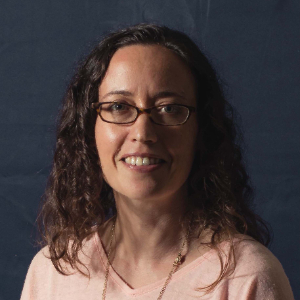
Is this course right for me if I'm starting from scratch?
Is this right for me if I already have a full draft?
What if my paper was rejected and I want to revise and resubmit to a different journal?
What does a 1:1 session actually look like?
How much time do I need each week?
Is the schedule fixed?
What if I fall behind?
Is this course right for me if English is not my first language?
Do I need to submit my paper by week 10?
Will there be another cohort?
What is your refund policy?
Do you guarantee my paper will be published?
I'm not sure this is the right fit. Can I talk to you first?
Don't see your question? Ask me!
Not sure if this is the right fit?
That's a reasonable place to be. This is a significant commitment of time and money, and it should feel right before you enroll.
Book a free 20-minute call with Jessica before you decide. It's not a sales call — it's a conversation about where you are with your paper and what you need over the next 10 weeks. If the course is the right fit, that usually becomes clear on its own.
Book a free 20 min callReady to get started?
Cohort begins May 17th.
Enrollment closes when it's full or on May 17th, whichever comes first.
Maximum 10 participants.
Register